
Giving a baby after giving birth is not the end of the story for many birth mothers. To be fair, there are a lot of links about adoptive mothers suffering post-adoption depression. Mostly due to unrealistic expectations about getting what they wanted. Some become depressed because adopting didn’t fix their underlying issues. Few think about the birth mother after she gives up her baby. Post adoption depression is the depression that a woman feels when her child is adopted away from her.
The reported rate of clinical postpartum depression (PPD) among new mothers is between 10-20%. In many cases of postpartum depression occurs within four to six weeks after birth because of the extreme hormonal changes; however, symptoms can appear up to 18 months after birth. Many birth mothers believe that they can’t experience postpartum depression after adoption. However, postpartum depression after adoption is as common.
I found content at this website – LINK>Texas Adoption Center – helpful for discussing the issue. There is much more there than I have time to cover in this blog today.
What are the signs that you are experiencing post-partum depression after giving up your baby ? Postpartum depression is defined as an episode of major depression associated with childbirth. Almost 600,000 women are diagnosed with postpartum each year and many cases of PPD go undiagnosed and untreated.
The symptoms of regular and delayed PPD are the same. However, the symptoms of postpartum depression and the “baby blues” are different. The “baby blues” refers to the feelings of sadness, worry, fatigue, and self-doubt that nearly 80% of birthmothers feel after delivery. This typically only lasts for a few days or weeks and resolves on its own.
In postpartum depression, estrogen and progesterone levels decrease significantly after delivery. As you work to balance the physical and emotional demands of giving birth and placing your baby for adoption, these changes can affect the chemistry of your brain. Physical exhaustion, sleep deprivation, self-esteem issues, and the emotions of making the best decision for you and your baby play a significant role in developing delayed PPD. Postpartum depression after adoption is similar to other episodes of depression that can occur during life. While the “baby blues” typically go away within 10-14 days, PPD is characterized by a daily loss of interest and joy in life that lasts.
The most common signs include:
- Loss of interest in activities you used to enjoy
- Weight gain or loss that isn’t associated with your diet
- Changes in your appetite
- Unexplained crying or constant crying
- Fatigue
- Loss of energy
- Feelings of guilt, worthlessness, or hopelessness
- Changes in your sleep patterns
- Suicidal thoughts or attempts
In addition to talking to a doctor or therapist (postpartum depression is a medical condition), you can be kind to yourself. Focus on your health and well-being. Don’t isolate yourself and be patient as you process such a major event in your lifetime.
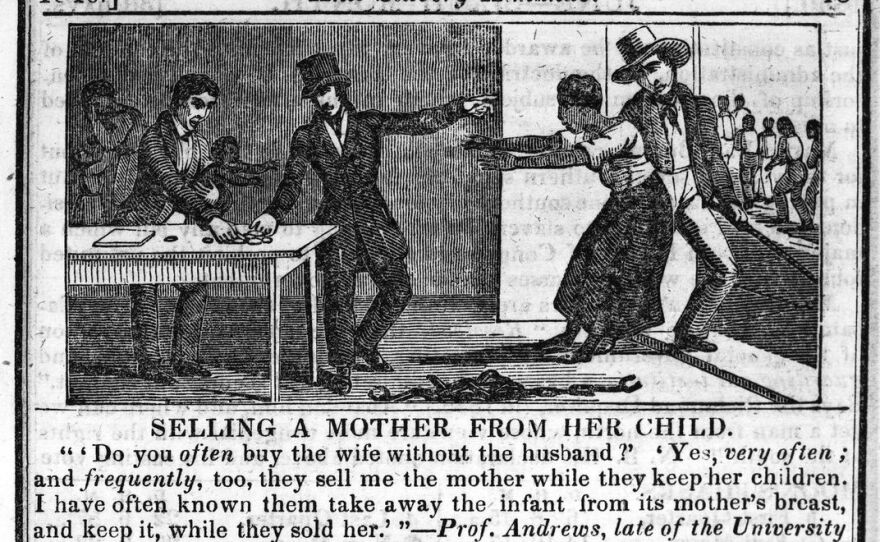


 Missing Mom