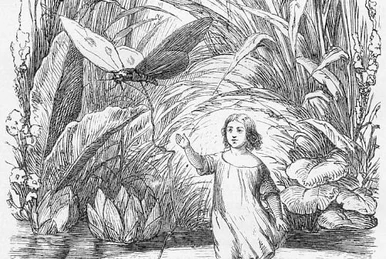
Often Not The Fairy Tale

Today’s story is sad but all too often true for some adoptees in reunion.

The definition of a Fairy Tale is a story in which truth prevails over lies, generosity comes to be rewarded, obstacles are overcome by hard work and love, good triumphs over evil and mercy and kindness are the greatest powers. And sometimes this simply doesn’t match the reality. Here’s the story –

My adoptive parents are dead and were amazing to me. A few years ago, I met the birth parents. I have a hard time using the word parents for them because they’ve done nothing but hurt me. I was raised to be kind forgiving and loving but these people are everything but. Several times per week, I am insulted and tore down and it makes me cry. They are married to each other and apparently a perfect fit. Both exhibit 9 out of 10 traits of narcissism. They’ve tried to get me fired at work, tried to end my marriage, tried make my friends hate me, and essentially try to cut me off from everyone because they think I should be the person they think I should be. Every time he makes me cry he laughs. They’ve held grudges and gotten mad at me for having a sick child or being sick themselves. I had a very long hard struggle with cancer (genetic I might add) that I have deficits from and they tell me to stop having excuses. When my mom died, they told me they were glad she was dead. And the list goes on and on. I’m stupid, I’m a liar (but they refuse to let me know what I supposedly lied about), and my entire life is worthless according to them. I’m struggling because society says I have to want to be with them but I don’t. They hurt me so deeply and so often I feel sick. I don’t want to be an a**hole but I had no idea how mentally abusive they are. The rest of their family minus the bio grandma is crazy. What should I do? I want to cut contact but I know I’ll get push back. Has anyone navigated anything similar? I’ve tried to make this relationship work for 3 years and it isn’t working. And all I get is people guilting me into thinking I need to maintain this toxic relationship.

One comment noted – your experience shows another side of the adoptee reunion story. Many times adoptive or foster parents get criticized for “having stolen” from the child in their care, the right to be with their birth families. Some adoptees fantasize what their birth families are / were… but sometimes, in reunion, they find those birth parents are not the fairy tale they imagined.

Why It Is Worth It

Today’s story is close to home and much like family but it is NOT my story.

I’m in the process of being re-adopted by my real mom. I met with my attorney today and learned some additional details about the process that I didn’t previously know. Had I known, I would have done this years ago. The laws vary by state but I wanted to share what I’ve learned in case it helps anyone else. It’s also something Hopeful/Adoptive Parents should know is possible and to behave accordingly.

For context, I’m a 36 year old domestic infant adoptee. Born and originally adopted in New York, I now live in Missouri, and my real mom now lives in Tennessee. The adoption is happening in Missouri. I was reunited at 17. My adoptive father made mistakes but took accountability for them. I loved him. He passed away recently. My female adopter is likely a narcissist but she doesn’t see it that way. She adopted because she was infertile. My 15 year old mother was coerced by the adoption industry. Several years ago, my female adopter actually told me that she understands that adoption caused pain and trauma for my mother and I but she feels it was worth it because it allowed her to be a mother. All of her actions indicate that my adoption was about her, her desires, and ownership of a child being “hers”.

In my state, only the person adopting me (my actual mother) and I need to consent to the adoption. No one else can prevent this from happening. My female adopter won’t be notified at all unless I personally decide to tell her. My adoptive father can remain my legal father. I can change my name as part of the process and my children’s birth certificates can be updated to reflect this. I didn’t know this or I would have changed my name years ago. The entire process is going to cost under $2,000 for everything because adoption is cheap when you’re not purchasing the adoptee. My current female adopter will become a legal stranger. The same process that made her my legal mother will now un-make her my mother. She will no longer be a mother or grandmother to anyone except in her own deluded mind. It’s doesn’t matter what she thought adopting me would mean. It’s doesn’t matter what the agency told her about what I’d grow up to feel. I refuse to participate. Adoption didn’t win. I don’t need her consent to purchase my freedom.

Possession is 9/10s of the Right

Perspective from a Kinship Adoptive mother – 12 years after relinquishment, our adoptees are OUR kids, not hers. Even though their biological mom has made a new and better life for herself and the adopted kids know their story and know her. When they reach 18, they can choose, but until then – I am their mom 100%.

An adoptee commented –  It is wonderful when family can step up, so it doesn’t become a stranger adoption, but when they cannot also treat the original parents as family (for the child they share, if for no other reason) – it is offensive and a bit horrid.

Another shared a similar story – there’s a woman who has provided kinship adoption for *three* of her niece’s children, and is already planning to take the fourth child this woman is currently pregnant with, who talks sooooo poorly of her niece and has the young children call her “mommy”. I only know this and more I shouldn’t even know because she openly shares it at daycare pick up.

The woman who shared the perspective above notes – it really is so sad. I think I hear some of the most hateful things about biological families from kinship groups. They seem to resent the fact they “have to clean up the mess” and talk so poorly about their family and then at the same time do everything in the book and more to take and keep their children.

One adoptee shares – I was a kinship adoptee at 4, and spent my whole life hearing about how awful my birth mother is & how I’m just like her & how they were such saints for taking me in.

One kinship adoptee who is also a kinship guardian writes – Selfish beyond belief. A lot of adoptive parents act like they “won” and own the kids and get off on keeping them in the dark about their biological family because they’re JEALOUS that the kids want to know them… because they “belong” to them after adoption. I will never understand people not encouraging their kids to know their family, even if it isn’t just the parents. Most kids have siblings, aunts & uncles, cousins, grandparents, etc that they deserve to know about and connect with.

Another who is a potential future kinship guardian notes – This always feels like they see these children as possessions instead of people. “100% MY child.” “Legal stranger.” Not allowing a relationship until the children are 18. Someday, this is an adoptive parent that will be making “woe is me” posts about how these children won’t speak to her anymore, and how she has NO IDEA WHY.

In the initial comment, it was mentioned that when the biological mother relinquished her rights, the judge declared her a “legal stranger”. Someone else noted – the reality is, she was probably told “if you don’t relinquish, we’ll take your rights forcibly and that means we’ll remove every child you have after this one.” She probably only relinquished because she was scared and felt like it was her only choice. One dad who was in foster care as a youth writes – That is a skewed interpretation of a “legal stranger.” The court doesn’t mean someone unacquainted or having no relationship with the party. It means someone not involved in the transaction of the child. ie. The judge did not allow the natural mother to have a say in proceedings because she relinquished her legal “interest” in the child. And did she really stand before the judge and do that? I wasn’t even allowed to know the finalization date. I know my daughter’s mother wasn’t there because she was with me that day. They hadn’t told her either. We found out from Facebook, when the adoption agency posted a picture of my daughter, her adoptive parents, and the judge.

One adoptee noticed that the adoptive mother’s comment screams saviorism and ownership. Then, someone adopted as an infant notes – When will you all realize how narcissistic and selfish adoptive parents who adopt for altruistic reasons are to their core?

One comment noted – The more people a child has that love them the better.

Adopters=Co-dependancy

An adoptive parent admits she is co-dependent. She was learning all about co-dependency, due to an unrelated (to adoption) life situation, when it hit her that adoptive parents are co-dependent. She writes – that she is ‘not always/not all’ aware, so no need to point it out. But she is certain there is a high likelihood of adopters being co-dependent AF.

She notes that the reason she posted this is – we can only grow and do better from what we know. And we won’t know we are codependent, unless we learn about it. Co-dependent people thrive on being needed. They find taking care of others more fulfilling than anything. They make other people’s problems their own. It’s more of a personality type, than a disorder but it can get unhealthy very easily, if we are not aware. She added – “My goal is to cause as little additional trauma to my kids as possible….I will learn and do better !”

An adoptive parent who is also a therapist notes – I see that as a theme with some who adopt. I don’t want to over categorize people, but the place I have noticed this the most is with those who adopt from other countries or foster care, after they have had their biological kids. That role appeals to them. It becomes part of their identity. And yes, it is important to see how that leads to wanting gratitude and other unhealthy patterns. One adoptee responded to that with this – “WOW! CAN YOU ELABORATE MORE?! I have become so hyper independent, it’s bad/sad. My adoptive parents had two biological kids and adopted me 15 years later.” Someone else understood – We learned to try and control the situation, so we could be safe.

A mother who lost her child to adoption writes – Yeah if I wasn’t co-dependent (as a result of trauma growing up) then, I’m sure I wouldn’t have given my son up. I would’ve had the confidence to say no and stand up for myself. Another responded – I would not have bought into the idea that another mother would be better than me.

The more common trait in adoptive mothers is narcissism. One wrote – the two are similar and it’s important we don’t try to diagnose ourselves. But those who try to break the trauma cycle are more likely to be the co-dependent one. Narcissists usually don’t have the self awareness or empathy to admit their mental health needs. If you’re curious look at covert narcissists. (from LINK>VeryWell Mind – A covert narcissist is someone who craves admiration and importance, lacking empathy toward others but may act in a different way than an overt narcissist. They may exhibit symptoms of narcissistic personality disorder (NPD) but often hide the more obvious signs of the condition.)

Can Scapegoats Recover ?

Painting by Bea Jones

The short answer is yes. So often I read about adoptees who have been psychologically abused, usually by a narcissistic adoptive mother but it could just as easily be a narcissistic adoptive father.

There is so much to learn about scapegoating, when one goes looking. I read that the concept of a scapegoat has a very long history, some of it religious. It has even been an animal, a literal goat, upon which a community would place the blame for all of it’s sins. Then the goat was sent away.

One male adoptee wrote an essay for Severance magazine – LINK>I Am More Than My Fathers by David Sanchez Brown. He notes “I was not the dream son my adoptive parents envisioned I’d be. I was a clumsy, overweight kid with Coke-bottle thick glasses and learning disabilities who couldn’t seem to do anything right . . .” He later writes “I never connected my feelings about myself with having been adopted. I thought I was a failure and unworthy of unconditional love.” He also notes the common plight of many adoptees – “I didn’t look or act like anyone else in the family. I stuck out like a sore thumb and I became the family scapegoat.”

My interest in looking at this concept was triggered when I read this from a Facebook acquaintance – “I was a scapegoat. I knew I got blamed for things and then I learned it’s called scapegoating. And, I knew I had been scapegoated.” Then she notes – “I am now a recovering scapegoat.” Yet, owns this – “I’m just saying I find claiming what I can change empowering. I’m a scapegoat who is a massive people pleaser.” And many adoptees do become people pleasers in an effort to find acceptance.

Dr Elvira Aletta has some suggestions in her LINK>”10 Tips to Survive Being the Scapegoat at Home.” She ends this piece with “If you’re just beginning to understand how scapegoated you are, take it easy. Once your eyes are opened you might begin to see it everywhere.” Yes, it does seem to be rather common, sadly.

I end this blog today with some thoughts from the Daily Guide in the Science of Mind magazine – “You ae whole and also part of larger and larger circles of wholeness you may not even know about. You are never alone. and you already belong. You belong to life. You belong to this moment, this breath.” ~ Jon Kabat-Zinn

And this one might apply especially to adoptees – “All human endeavor is an attempt to get back to first principles, to find such an inward wholeness that all sense of fear, doubt and uncertainty vanishes.” ~ Ernest Holmes, The Art of Life pg 9

The truth for every human being is that we are neither bad nor broken. We have the absolute ability to become clear, confident, aware and certain. We can chose wholeness over limitation. We can understand that there have been no mistakes but only opportunities for us to learn about ourselves and our world. We grow in wholeness as we learn to be vigilant, not assigning fault or blame to ourselves – or to others. Better to see everything that has happened or that happens, even the things we do not like, as a piece that fits in the fabric of what is our actual lived experience. It is ours to define.

Narcissism

Started reading a piece by Shane Bouel on Medium titled LINK>Objectification of Adoption via Narcissism, subtitled – A Deplorable Default Truth of Adoption. I thought about the many times I have read adoptees describe their adoptive parent (usually the adoptive mother) as a narcissist. I reflected that I wasn’t sure I had ever written about that in this blog. You will need to be a “member” to read the entire Medium piece, so I will excerpt a few thoughts from his writing, until I hit the paywall myself.

He writes – The world of adoption is often portrayed as a realm of selflessness and love, where individuals make the profound choice to provide a home and family for a child in need. While this perspective is undoubtedly valid, there is an uncomfortable truth that deserves consideration: Adoption inherently invites narcissism.

[1] The Desire for Validation – One aspect that links adoption and narcissism is the inherent desire for validation. Individuals who choose to adopt may find validation in being perceived as saviors or heroes who rescue a child from a less fortunate situation. This need for external validation can be a manifestation of narcissistic tendencies, where one’s self-worth is closely tied to the approval and admiration of others.

[2] Control and Ownership – Another element to consider is the sense of control and ownership that adoption can bring. The act of adopting a child can be perceived as an assertion of power and control over another person’s life. This desire for control aligns with narcissistic traits, as narcissists often seek to dominate and exert influence over those around them.

[3] Idealized Self-Image – Narcissists tend to have an idealized self-image, and adoption can serve as a means to further enhance this image. Adoptive parents may view themselves as exceptionally kind, generous, and selfless, reinforcing their own positive self-perception. The adoption narrative can be a platform for bolstering the idealized self-image of those involved.

[4] Manipulation of Empathy – Narcissists are known for their ability to manipulate and elicit empathy from others. In the context of adoption, this manipulation can take the form of presenting themselves as selfless and virtuous individuals who are solely focused on the well-being of the child. This calculated display of empathy can be a…

(and I hit the paywall – I’m not really ready to go back to paying at this time).

I found a LINK>to Shane on FB, where he says this about his piece on Medium – This article delves into the complex dynamics at play, highlighting how the desire to adopt can intertwine with narcissistic tendencies and exploring the potential consequences of this intersection.

The truth of adoption is an uncomfortable reality that cannot be ignored. While adoption is often depicted as a selfless act driven by love and compassion, the underlying complexities reveal a darker side. Behind the heartwarming narratives lie stories of loss, identity struggles, and the commodification of vulnerable lives. The default truth of adoption encompasses the harsh realities of a system that can perpetuate secrecy, discrimination, and emotional trauma.

Why? Because the foundation of adoption is rooted in trauma, as long as the baby scoop era and forced adoption existed, adoption will be tarred with the same brush. Supporting saviorism over family preservation! Is this true adoption advocacy? In truth, adoption should be abolished! It’s time to call out toxic advocacy.

Staying With Mom Is Best

From my all things adoption group today. In a parenting group, the admin shared a post to open discussion. It was written by a hopeful adoptive parent whose plans fell through shortly after birth.

I was pleasantly surprised that many of the comments focused on the fact that staying with mom is best for baby. Many also expressed empathy for the woman who wanted a baby and couldn’t have one. Knowing my own deep joy at being a mother, I empathize with those who cannot… but not to the degree that it clouds my judgment about what real love for a child is (protecting their relationship with their mother, if at all possible).

I can’t know the pain of infertility, because I’ve not lived that life. I’m sad for those who do. But I HAVE lived the life of someone separated from my genetic mirrors and raised as second class in a family that wasn’t mine. Filling a hole in a would-be mother’s heart doesn’t justify the creation of holes in the child’s. Ever.

One comment in particular struck me. It was disgusting, and I don’t have the ability to respond to it without being very nasty. A woman claimed that getting up a woman’s hopes of receiving a child and then taking it away at birth is the same pain as delivering a stillborn baby.

I am so angry. Just… so, so angry.

Their logic doesn’t logic.

She went on and on about the pain of infertility, which I don’t at all seek to minimize. She wrote about the hopes of carrying her “own” baby. The truth is right there in her words. They know the difference. Given a choice, OF COURSE they’d choose to carry their “own”. But since they can’t, they selfishly want to steal or buy someone else’s for the sake of their own feelings, over the child’s or the true mother’s.

Her words recognize the profound, undeniable, biological, emotional, and spiritual difference of producing offspring versus stealing them. And yet in the next breath, she wants to claim the pain is identical to losing one carried in the mother’s own body. Gross.

One commenter made a strong case –  it’s not always just warped selfishness with humans. There is the component of it being an evolutionary instinct. This doesn’t excuse us from doing the work and therapy to keep from seeking the injury to other people’s children that adoption is. We need to be better than our natural instincts. We can hold people to higher standards, while still recognizing that turning off the deep desire to raise children, for some, is about as easy as turning off clinical depression for others.

Another one admitted – I’m “maternally driven”, and I had an emergency hysterectomy. I have one biological child. I always wanted to have a lot of kids, but it wasn’t in the cards. I went to therapy. I got a dog.  I sought out dogs and cats. Because my inability to have more children doesn’t give me the right to someone else’s children. But my pathological need to care for someone/something makes animal rescue PERFECT for me. And yes, it’s absolutely a pathology. I think that needs to be recognized and openly talked about more. It’s not BAD. It just IS, and there are healthy outlets for it.

One noted – This is such a parent focused view, to equate their loss as a death – when the baby is alive – just shows how much the focus is not on the child whatsoever.

One said – I went through infertility and it never even occurred to me to want to adopt. I wanted my own babies, not someone else’s. The thought of raising someone else’s child is honestly so unappealing to me. I bet it’s unappealing to a lot of infertile women.

To which someone else replied directly – It’s baffling to me that this *completely reasonable and valid position* is somehow controversial to a lot of people. And unfashionable. We’re supposed to think that the ability to pretend a child that isn’t your own, *is* your own, is a sign of being a good person, somebody who has ~evolved~ beyond our ~stupid~ animalistic need for tangible, biological connection. I’ve been told I’m a sociopathic monster, a narcissist, devoid of empathy, just because I feel the same way as you. Somebody else’s baby would not be my baby. It’s not the same as my baby. To deny that is ridiculous, it’s anti-science, it’s an actively harmful delusion. I’ve not been through infertility, but I can say that recently birthing my own first child has cemented this so firmly in my heart. My son is not a token who could be swapped interchangeably with any other random infant and I could not be swapped interchangeably with any other woman to be his mother. Our relationship is specific to the two of us, even six days into his life.

Utterly Disgusting Attitude

This adoptive mother thinks she has it all figured out but adoptees and many biological mothers are NOT buying it. This is why open adoptions close and is used as a marketing tool. This comment is very disrespectful towards birth moms. Many do think about their children. They grieve. They feel loss too. Keeping birth parents away will not prevent the child from feelings of abandonment.

From the adoptive mother – I kinda feel like some groups in the adoption triad lean towards having relationships with biological relatives. Not every time though. I felt in our situation, it is toxic. So I joined several groups… I honestly don’t think it’s the best decision in like 90 percent of these situations. It seems like everyone wants to sugar coat the biological parents. The fact is they couldn’t/didn’t want to get their crap together for their children…. We did!!! I decided to do some research and joined groups that I didn’t fit in…Like I am in a “I regret my adoption, birth parents group” and “Adoptees who didn’t find out they were adopted until they were adults” and even a “I regret my abortion group.” I think it’s the best thing I have ever done and it has truly been an eye opener to see ALL sides. I joined the abortion group after seeing several women in the “I regret my adoption” group say that, because their ADULT biological children didn’t want anything to do with them, they wish they had just aborted them.

Anyway, I’ve come to understand a few things. My adopted daughter will not have any type of relationship with her biological mom, because that is when trauma happens. They are too young to understand why someone can’t be around, so they feel unloved. My daughter knows she’s adopted but doesn’t know what it means. She’s 4 years old. I am telling her things like her name changed to our name, she wasn’t in my belly. I won’t lie ever to her. I keep a record of why she doesn’t get to see her biological mom (her dad passed away).

When she is old enough to be told the 100 percent truth, it will not be a shock, and like I said I will never lie to her. If I feel like the time isn’t right for a question she asks, I’ll just say that I will tell her that part when she’s a little older. Most adoptee’s end up hating their biological parents the most…. Then, they are mad that they were lied to by their adoptive parents….and they do want to know some history, and they like to have their old records (I made sure I have my daughter’s original birth certificate and social security card). I had to change her social security number because someone in her biological family was using her old number…

Most adoptees are mad at their adoptive parents for sharing pictures with the biological parents. Most wish they weren’t lied to but had the chance to have a stable childhood, where they didn’t even know they were abandoned…. They wish they had the chance to grow up in a healthy environment, instead of the adoptive parents taking care and caring so much about the biological parents who abandoned them. Adoptive parents feel guilty but shouldn’t… it isn’t the adoptive parents fault that the biological parents don’t want to be there. We cannot force them and popping in and out isn’t healthy. There needs to be boundaries. Most adoptive parents are empaths (that’s what brought them to adoption), we almost feel the birth parents pain of losing a child, but the fact is, most of the birth parents aren’t even thinking of these kids 99.9 percent of the time and have never been empaths or they would have taken care of their children.

I’ll never make my daughter feel unloved by anyone!! She won’t have to deal with all of the adults problems in her childhood, she will have a happy one!! So that’s my plan… lol

Anyway, good luck! Go join some groups. Several groups. They are all different and definitely seek all sides of each group. Every situation is different and just never make ANY person feel like someone doesn’t love them or they weren’t wanted. Keeping that biological family away in most cases insures that they WONT feel abandoned. We all want what’s best for OUR kids and all we can do is our best.

A few thoughts from the “other” side – “well, doesn’t she have it all figured out ?”

Being abandoned, makes us feel abandoned. Adult adoptees who found out later in life, prove this. They say they always felt like they didn’t belong, like they weren’t loved or couldn’t feel loved, even when it was shown – like a big piece of them was missing. It didn’t matter that nobody bothered to tell them there was a piece missing, they knew it.

And the empath stuff – I just CAN NOT. I feel like she read somewhere that adoptive mothers lean toward narcissism, and she’s just trying to say the opposite and have that take hold as a public opinion. This lady seems like a piece of work. I feel bad for her adoptee, because it’s sounds like mommy has it all figured out how to just side step her child’s experience of being traumatized at all. I’m honestly in awe of this person’s audacity. Just wow.

Passing On One’s Genes

I distinctly remember when my husband first told me he wanted children. I came by today’s blog in a round-about way looking at infertility and narcissism (and see one of my own blogs showing up in a google search, oh my). Yet then I found this – I believe there is no good reason – other than vanity and narcissism – that an infertile couple should opt for IVF over adoption. Please CMV. (Change my view) by LINK> Javier Mosquera at Penn State.

This got my attention as both the choice to pursue IVF and issues of adoption matter to me. We briefly considered adoption and quickly ruled it out. Over 20 years ago, I didn’t know everything about adoption that I know today. I am very glad we didn’t go that route. But for the grace . . .

So Javier writes, “Today’s topic for my Passion Blog post comes from the subreddit LINK>‘changemyview.’ The complete prompt can be found there” at the link. Javier notes that “I will be following the subreddit’s Submission Rules for comments, to keep order and structure to my posts.”

[1] We live in a world where there are orphans in need of adoption to loving homes, and where loving couples cannot naturally conceive.

While this is true, it makes the assumption that the couples unable to conceive would provide the same love and support that parents of a functional home (whose first choice was adoption) could provide. Why risk letting a couple who obviously wanted their own offspring in the first place (and pursued adoption only after being unable to conceive) adopt a child who already may feel unwanted, only to continue the cycle? Such a child may grow up to harbor serious emotional problems, and live an unhappy life. Adoption should be left for those who genuinely want it, rather than for those who feel discouraged due to infertility.

[2] IVF is insanely expensive. And why force nature’s hand when there are simpler alternatives? And from what I understand, it’s not a 100% guarantee it would even work on top of that.

[3] Studies have shown that couples love their adopted child the same as their own “flesh-and-blood” child. Adoption even exists in the animal kingdom among some species. So I don’t buy the “but some people want to have ‘their own flesh and blood child’” argument, because all I hear from that is that you’re incredibly vain.

Here I will challenge two of your points, and while l concede with you, you must remember that it is our biological desire to put our DNA back into the gene pool. This is a product of evolution, with the purpose of keeping the human population alive. People want their own offspring, and furthermore, by doing so it is the best guarantee of leaving a contribution to mankind. Releasing one’s genes back into the playing field directly affects future generations. Indirectly, you may have gifted the world with the next Thomas Jefferson or Socrates. Your argument regarding expense would be valid for low-income families, but if one has the money, I don’t see any problem with someone attempting to pursue fostering children that has their own genetic code.

My young sons, maybe about the same age as Javier, are fans of Reddit (I don’t go there). My oldest who is now 21 claims he is never going to have children. I’m certainly not going to argue that with him. Though recently we did point out that my husband was 35 before he decided that he did want to have children after all. This is because my son is encouraging us to get rid of all this “kid stuff” that we have been saving for the day when our sons have children of their own. This son has always known from a very young age, his own mind, and has not been wrong any time he as asserted anything so important. I have to take him at his word.

Hard To Believe But True

To keep the knowledge of this from an adoptee is so unconscionable. Even in the 1930s, when my parents were adopted, they always knew they were. Since I now know more about my original grandparents, my grandmothers would have always made great mothers to my parents. It was simply two factors – the times for my dad’s unwed mother and Georgia Tann’s machinations for my maternal married grandmother (though her husband appeared to have deserted her and there is no one left alive who could answer what my heart wants to know about why).

From an adoptee – How could you not tell your kid but then tell other people??? Like wtf. There’s something incredibly wrong with that picture.

From another adoptee – (BTW the child is already 8 years old) – that would be where I would have to ask for a conference with the adoptive parents. I could not knowingly and wrongfully withhold such information from a child and still be able to look them in the face daily. Idk if said child could remain in my class, although I’d want to be a support for the child. What a horrible situation for a teacher, especially if also an adoptee, but what a horrible bunch of bullshit for that child. School aged is beyond old enough to have already had those conversations. I’m not happy with these adoptive parents AT ALL.

Just a personal note – when my dad was 8 years old, he was adopted a second time when his adoptive mother remarried and his first name was changed from Thomas to Gale. Thomas was his first adoptive father’s first name. Gale was his new adoptive father’s first name. A completely understandable decision. Fortunately for my dad, he was always known by his middle name Patrick.

An adoptee who is also an adoptive mother writes – I am also a behavioral interventionist. This would be a “HUGE” trigger for me mentally. I couldn’t imagine looking into that poor innocent face knowing she is probably struggling internally (even without her knowing it) and then, knowing what she will face later on when she learns the truth. It would be very hard for me to navigate without yelling from the rooftops at the parents – what you are doing to this child is so wrong and mentally abusive. Even more so, that they are sharing this information with everyone else (savior complex, most likely or just narcissistic) but the child. Does your employer know you are an adoptee? I do a lot of advocating for adoptees and foster care youth in my district.

Someone else commented –  Imagine everybody knowing your story but you. I hope they are setting aside a sizable amount of money for this child’s therapy because OMFG.

Another writes – And at what age does this go on until ? Where is that child’s human rights. They have no right to deprive that child of their roots. It’s seldom done to protect the child, it’s to protect the adopters from the reality that this child has another family and help them play out their fantasy. It’s disgusting and should be illegal.

From one adoptee’s experience – I was in a similar situation. I didn’t find out until I was 9. It shattered my view on pretty much everything. I feel badly for those children; finding out your life is a lie part way through childhood is just…heavy. The worst part about having a family that is secretive about adoption is that once I did know, I was told I still needed to lie about it because not everyone in the family knew. I shared it with my cousins of a similar age once and got laughed at by them because they didn’t believe me. It got me in terrible trouble with my adoptive parents for telling them. Those kids have a rough road ahead. An entire early childhood predicated on lies is no way to live.